.avif)
.avif)
Photo by Zorzi Creative

_logo%201.svg)


Jan. 20, 2025—A major new report from the Pew Research Center finds that key measures of religious identity and practice in the United States have stabilized in recent years, showing neither marked revival nor dramatic decline—a trend that continues after decades of shrinking Christian affiliation. The study’s findings, released December 8, 2025, challenge narratives of a sweeping spiritual resurgence while underscoring persistent cultural shifts in American religiosity.
Polling Shows Stability, Not Revival
National polling data analyzed by Pew Research Center indicates that, since roughly 2020, the proportions of Americans identifying as Christian, identifying with another religion, or reporting no religious affiliation have remained relatively constant.
According to the Pew report:
- The share of adults identifying with Christianity has stayed in a narrow band over the past five years.
- The proportion of Americans with no religious affiliation (“nones”) has also held steady.
- Key indicators such as daily prayer, religious service attendance, and the importance of religion in daily life show little variation in recent national surveys.
This pattern suggests a continuation of the status quo rather than the emergence of a broad-based spiritual awakening.
What the Data Shows
Here’s a snapshot of what authoritative outlets report about the Pew findings:
- Pew Research Center notes that no clear evidence of a nationwide religious revival exists, particularly among young adults.
- Catholic News Agency emphasizes that the data draws on both Pew’s National Public Opinion Reference Survey (NPORS) and the extensive Religious Landscape Study.
- Catholic World Report highlights the methodological breadth, including a sample of nearly 37,000 adults.
- OSV News confirms that affiliations are “holding steady,” but notes Christianity continues to lose more members than it gains.
- RealClearReligion corroborates that multiple high-quality surveys show stability since 2020.
"On average, young adults remain much less religious than older Americans,” notes the Pew Research analysis—highlighting a key generational divide in U.S. religious life.
Highlights of the Pew Report
- Christian identity remains the largest religious category, but growth has stalled.
- Religiously unaffiliated adults (“nones”) comprise a significant portion of the population, yet their share is not growing sharply.
- Young adults (18–29) are markedly less religious than older cohorts.
- There is no statistical evidence for a broad revival in the United States.
What the Polls Don't Capture
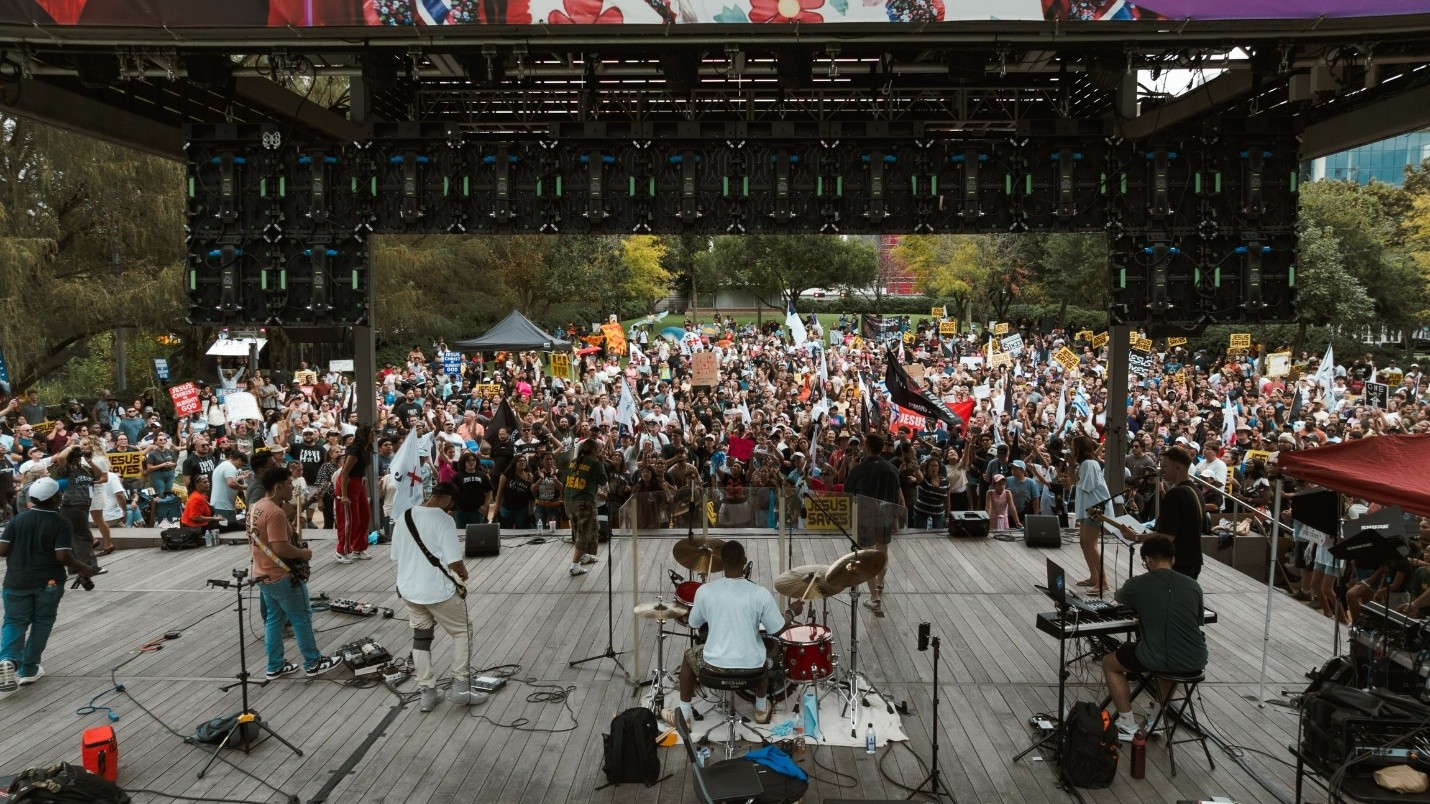
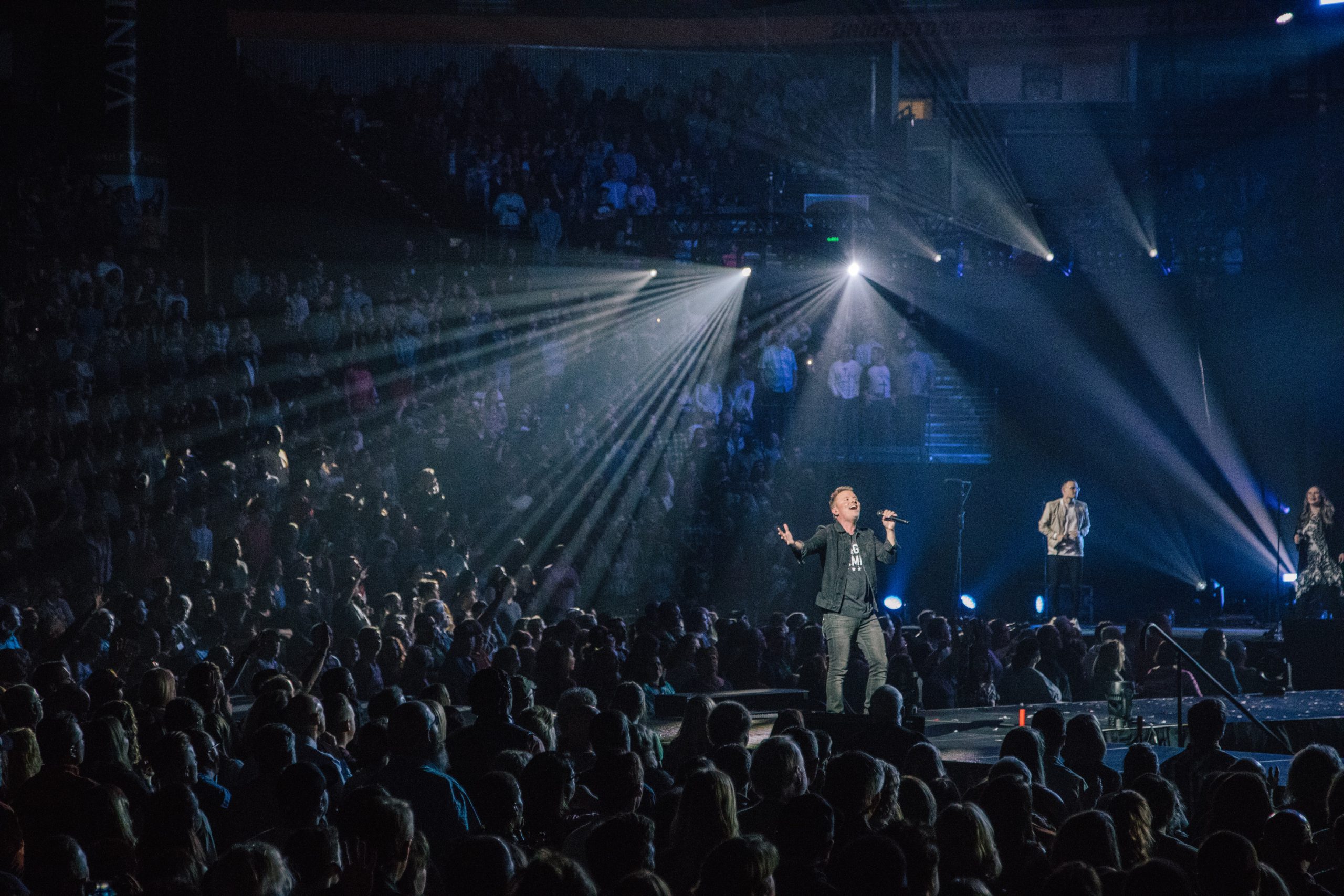
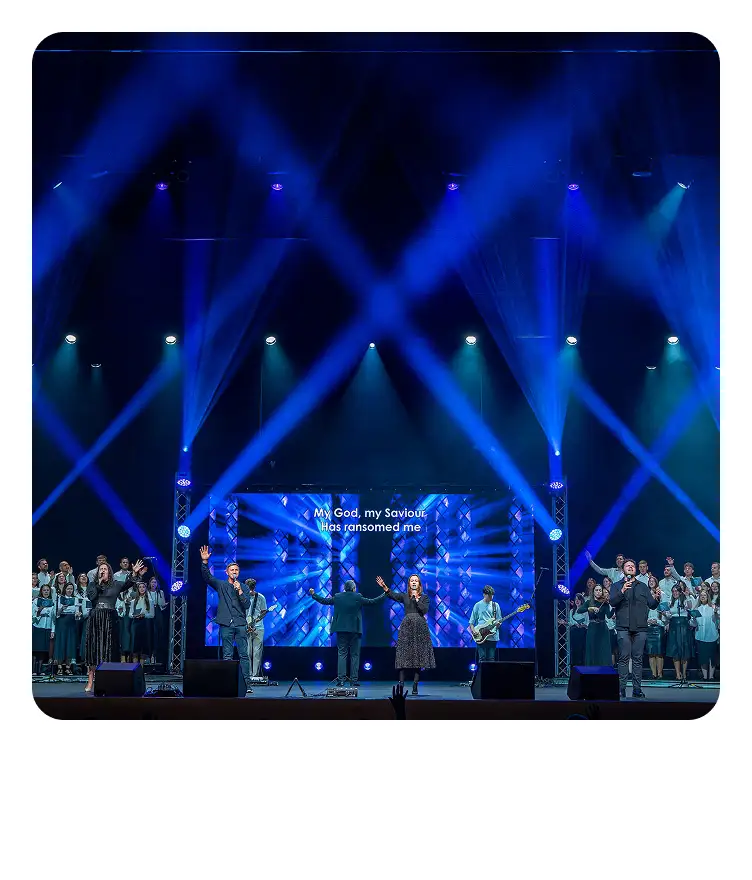
While national data points to stability rather than widespread renewal, AWAKE America leaders say they are witnessing tangible signs of spiritual hunger on the ground. Through prayer rallies, worship gatherings, and repentance-focused assemblies across multiple states, the movement reports growing attendance, extended prayer times, and a renewed emphasis on personal repentance and public faith. AWAKE America organizers emphasize that revival rarely begins in polling data, but in prayer—often starting with small, faithful gatherings that ignite broader awakening over time.
What This Means for Ministry
For believers and ministry leaders, this moment is a call to intensified prayer, evangelism, and discipleship. The data shows a plateau, not a turning to Christ.
What Believers Can Do
- Pray for a genuine spiritual awakening across the U.S.
- Share the Gospel boldly in local communities.
- Engage young adults with intentional outreach rooted in Scripture.

Faith Evans Pearson
Faith Evans Pearson is the AWAKE America Community Manager, progressing the ministry’s mission through creative strategy, social media, digital campaigns, and content—to boldly share the Truth of the Gospel, equip the saints, and encourage believers in the US and abroad.