.avif)


_logo%201.svg)


Biblical Fasting: What It Is, What It Is Not, and How to Begin
Fasting is widely discussed but frequently misunderstood. Some treat it as a spiritual formula for securing an answer from God. Others reduce it to a diet, cleanse, or test of willpower. Biblical fasting is none of these things.
Biblical fasting is the voluntary denial of food for a spiritual purpose. It is an act of humility through which believers temporarily set aside a legitimate physical appetite to seek God more earnestly through prayer, repentance, and His Word.
Fasting does not make a person more righteous, earn salvation, or force God to act. Our acceptance before God rests entirely upon the finished work of Jesus Christ. Nevertheless, Scripture presents fasting as a meaningful discipline through which God’s people humble themselves and devote focused attention to Him.
What Is the Biblical Purpose of Fasting?
Throughout Scripture, believers fasted during times of repentance, grief, danger, spiritual need, and important decisions.
The people of Nineveh fasted as they turned from their wickedness after hearing Jonah’s warning (Jonah 3:5–10). Ezra proclaimed a fast as God’s people sought His protection for a dangerous journey (Ezra 8:21–23).The church at Antioch worshiped, fasted, and prayed before sending Barnabas and Saul into missionary service (Acts 13:2–3).
In each case, fasting expressed dependence upon God. The physical hunger accompanying a fast became a repeated reminder of a greater spiritual hunger: the need for God’s mercy, wisdom, strength, and direction.
Fasting should therefore be joined with prayer and Scripture. Merely skipping meals is not necessarily a Biblical fast. The purpose is not deprivation for its own sake but focused devotion to God.
What Biblical Fasting Is Not
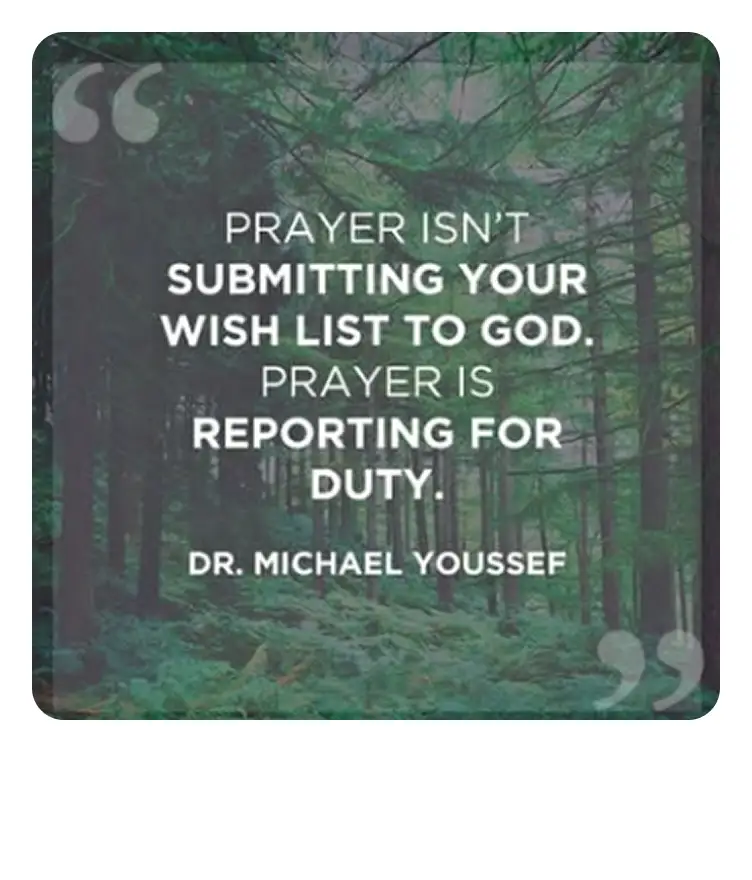
Fasting is not a way to manipulate God. The Lord remains sovereign, and no religious exercise places Him under obligation to grant a particular request. We approach Him as dependent children, not demanding customers.
Fasting is also not a public performance. Jesus warned against fasting to impress others. He instructed His followers to maintain their ordinary appearance so that their fasting would remain a private matter before their heavenly Father (Matthew 6:16–18).
Nor can outward fasting substitute for inward obedience. In Isaiah’s day, people abstained from food while continuing in strife, exploitation, and injustice. God rejected their empty ritual and called them to repentance and righteous action (Isaiah 58).
A true fast cannot be separated from a surrendered heart.
What Are the Different Types of Biblical Fasts?
Scripture records several forms of fasting:
An ordinary fast involves abstaining from food while continuing to drink water. Jesus’ hunger after fasting in the wilderness suggests this familiar pattern (Matthew 4:1–2).
A partial fast limits certain foods rather than eliminating food completely. Daniel abstained from choice food, meat, and wine during a three-week period of mourning (Daniel 10:2–3).
A complete fast involves abstaining from both food and water, as Esther and the Jewish people did during an extraordinary national crisis (Esther 4:16). Because dehydration can quickly become dangerous, complete fasts should not be undertaken casually.
Scripture also records individual and corporate fasts. Although Jesus emphasized privacy rather than performance, churches or communities may fast together when seeking God in unity.
How to Begin a Biblical Fast
Begin by identifying your spiritual purpose. Are you seeking God’s wisdom, grieving over sin, interceding for the lost, or asking Him to awaken His Church? Examine your motives honestly and confess known sin.
If you are new to fasting, consider beginning with one meal or a partial fast. Determine when the fast will begin and end, and use the time normally devoted to food for prayer, Scripture reading, confession, and worship. When hunger comes, allow it to turn your attention toward God.
Practice appropriate medical prudence. Fasting may not be suitable for children, pregnant or nursing women, people with eating disorders, or those managing diabetes and other medical conditions. Certain medications must also be taken with food. The Mayo Clinic advises consulting a healthcare professional when health conditions could make fasting unsafe. A medically necessary modification does not diminish sincere devotion to God.
Finally, end the fast humbly. Do not measure its value by whether circumstances immediately change. Fasting is not successful because God gave the answer we preferred. It is fruitful when it draws us into greater repentance, dependence, obedience, and satisfaction in Him.
America desperately needs revival, but national awakening begins with believers who seek the Lord in humility and Truth. Biblical fasting cannot manufacture revival. It can, however, help prepare surrendered hearts to confess sin, pray earnestly, obey Scripture, and cry out for the work only God can accomplish.

Faith Evans Pearson
Faith Evans Pearson is the AWAKE America Community Manager, progressing the ministry’s mission through creative strategy, social media, digital campaigns, and content—to boldly share the Truth of the Gospel, equip the saints, and encourage believers in the US and abroad.