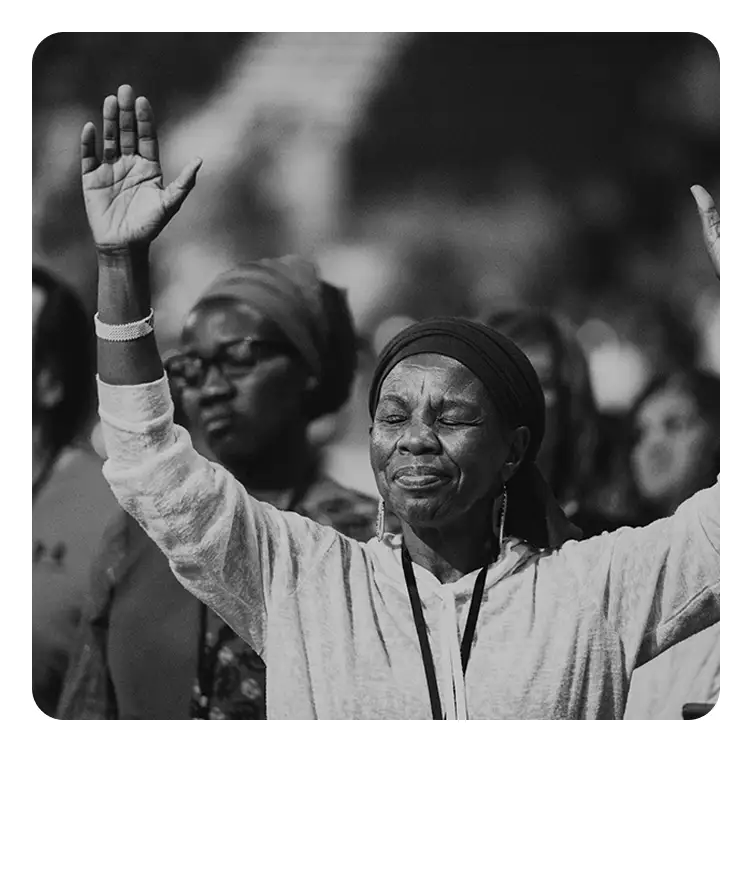
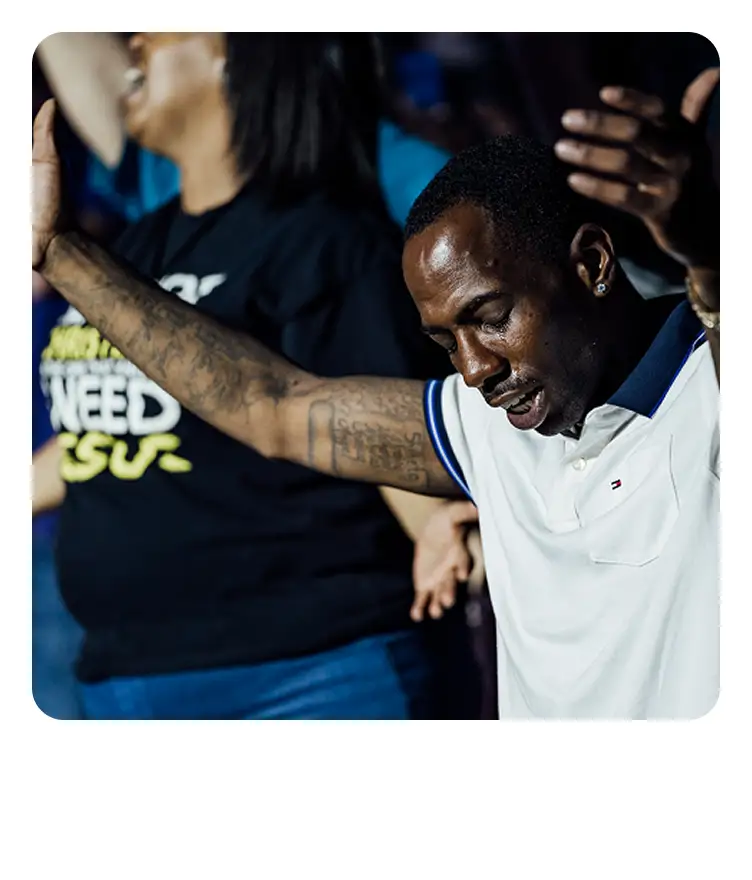
.avif)

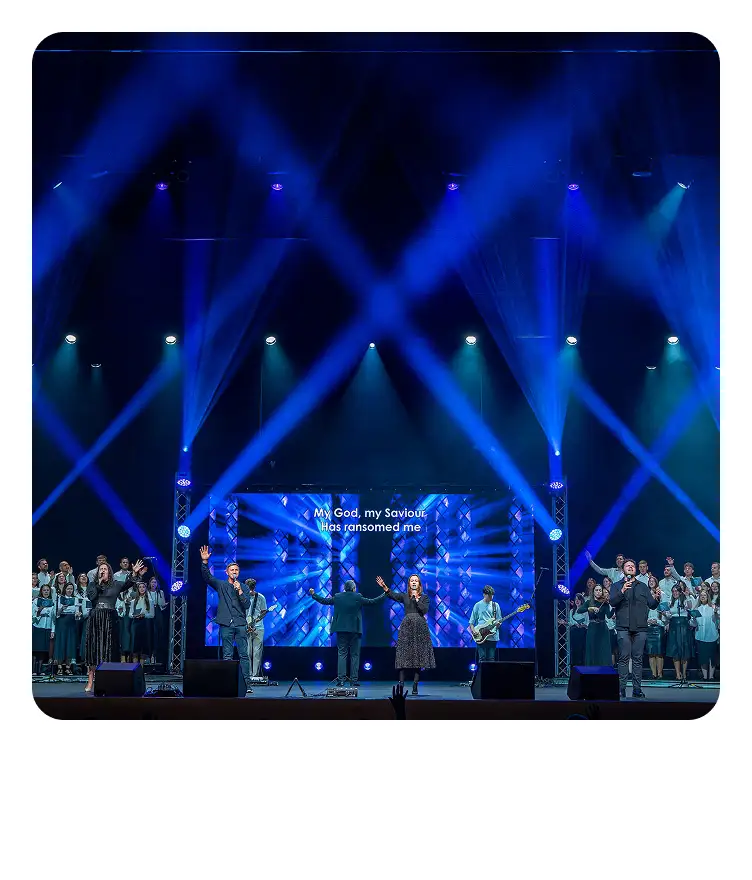
Photo courtesy of Zorzi Creative

_logo%201.svg)


The Collapse of the “Moderate Religion” Assumption
My friends, we are living in an age that celebrates religious minimalism. People are told:
• Believe whatever works for you.
• Be spiritual but not committed.
• Keep faith private and moderate.
• Avoid conviction. Avoid absolutes.
But here is the question few are willing to ask: Does minimal religion actually change anything? According to one of the most comprehensive syntheses of religion-and-health research available today, the answer is largely no.
Across thousands of studies summarized in the Oxford Handbook of Religion and Health, a consistent pattern emerges: nominal religious involvement produces little measurable difference in long-term psychological health, moral behavior, or human flourishing.
Researchers often describe this phenomenon as a threshold effect. Belief begins to exert significant influence only when it moves beyond cultural identity and becomes an active, practiced commitment. Below the threshold, religion tends to have limited influence. Above the threshold, beliefs become formative, shaping how people think, live, suffer, and persevere.
What the Research Actually Shows
Clarity matters. The primary scholars contributing to this field include Harold G. Koenig (Duke University), Tyler J. VanderWeele (Harvard University), David R. Peteet (Harvard Medical School), and contributors to the Oxford Handbook of Religion and Health (2024).
Collectively, their work demonstrates that strong religious commitment is often associated with better mental health outcomes, lower rates of depression and substance abuse, greater resilience during suffering, stronger social bonds and community support, and an increased sense of meaning and purpose.
At the same time, the research repeatedly finds that low-commitment or merely cultural religion produces weak or inconsistent effects. That observation should not surprise Bible-believing Christians. Scripture has always distinguished between outward profession and inward transformation.
Why “Spiritual but Not Religious” Falls Short
The phrase “spiritual but not religious” has become increasingly popular in modern culture. For many, it represents a desire for personal meaning without accountability. Belief without obedience. Inspiration without surrender. Identity without transformation.
Yet the research suggests that detached spirituality often lacks the practices, commitments, and community structures that produce lasting change. In other words, it frequently remains below the threshold. And Scripture reveals why.
God never intended faith to be reduced to occasional spiritual feelings. Genuine faith affects the entire person—heart, mind, will, and conduct.
What Happens Above the Threshold?
The evidence is remarkably consistent. When faith becomes:
• Regularly practiced
• Deeply held
• Community-centered
• Morally consequential measurable outcomes often change dramatically. Researchers observe:
• Lower rates of depression and anxiety
• Reduced substance abuse
• Greater family stability
• Increased resilience during hardship
• Stronger sense of purpose and meaning
Why? Because deeply held beliefs shape behavior. When people organize their lives around convictions they genuinely embrace, those convictions begin to influence their decisions, relationships, priorities, and habits.
But while research can measure behavioral outcomes, it cannot fully explain the deepest transformation described in Scripture.
Scripture Goes Further Than the Research
Long before modern statistical analysis, Jesus Christ identified the difference between outward religion and genuine faith. He said:
“Not everyone who says to Me, ‘Lord, Lord,’ will enter the kingdom of heaven, but the one who does the will of My Father who is in heaven” (Matthew 7:21).
Notice the distinction. Religious language is not enough. Religious affiliation is not enough. External association is not enough. Christ calls people beyond profession to surrender.
The Bible teaches that humanity’s greatest problem is not a lack of spirituality but the reality of sin. No amount of religious activity can remove guilt before a holy God. No system of self-improvement can reconcile sinners to their Creator.
That is why Christianity is fundamentally different from every man-made religion. Religion tells people what they must do to reach God. The Gospel announces what God has done through Jesus Christ.
The Lord Jesus lived the perfect life we could never live, died the death we deserved, and rose again victorious over sin and death. Through repentance and faith in Him, people are not merely improved—they are made new.
America’s Real Spiritual Crisis
Beloved, America’s greatest problem is not simply secularism. Nor is it a lack of religion. It is the prevalence of shallow belief.
Our culture is filled with spiritual interest but often lacks spiritual surrender. Many claim faith while resisting obedience. Many admire Jesus while refusing His authority. Many want comfort from God without submission to God.
The research reflects what Scripture has long revealed: when belief becomes thin, its influence diminishes. A nation cannot be transformed by convictions it does not truly hold.
The Threshold Every Person Must Cross
Every person eventually faces a decision. Will faith remain:
• Cultural or personal?
• Convenient or costly?
• Nominal or genuine?
• Merely religious or centered on Christ?
This is the threshold that matters most. Not the threshold measured by sociologists. Not the threshold measured by researchers. But the threshold identified by Jesus Himself.
The threshold between profession and possession. Between knowing about Christ and knowing Christ. Between religion and redemption.
The Transformation Only Christ Can Bring
The evidence is increasingly clear. Nominal belief rarely changes lives. Deeply held convictions shape individuals and communities. But Scripture reveals an even greater truth. The deepest transformation does not come from religion itself. It comes from Jesus Christ.
Research can measure improved outcomes. Only Christ can give a new heart. Research can observe human flourishing. Only Christ can grant eternal life.
And today, the Lord Jesus still calls people—not merely to religion, but to Himself. The question is not whether you consider yourself spiritual. The question is whether you have surrendered your life to Christ. For only then does true transformation begin.
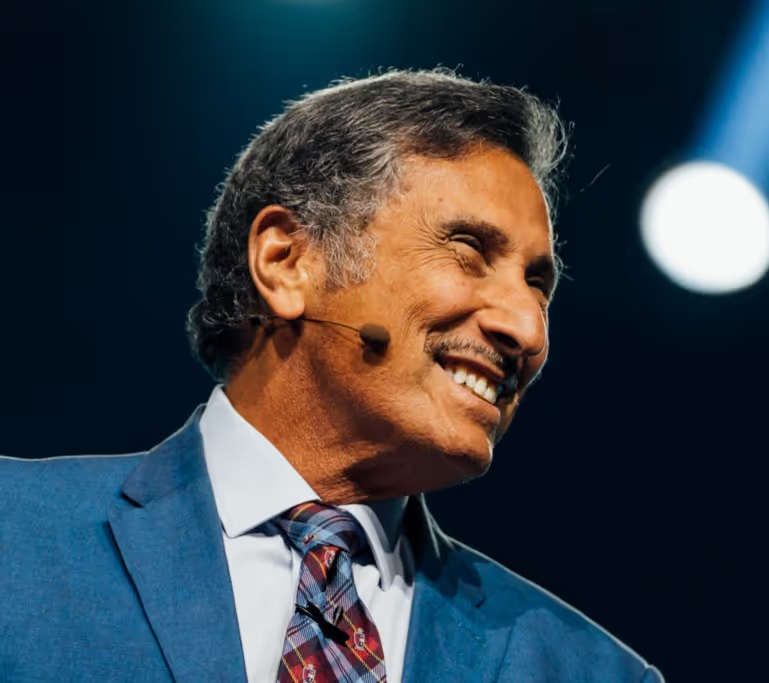
Michael A. Youssef, Ph.D.
Dr. Michael Youssef is a pastor, best-selling author, and the founder of Leading The Way, a global ministry reaching millions with the Gospel through television, radio, and digital outreach. Born in Egypt, educated in Australia and the United States, and holding a Ph.D. in cultural anthropology, Dr. Youssef brings a rare global perspective to Biblical teaching.
https://www.facebook.com/michaelayoussefphd/
https://x.com/MichaelAYoussef
https://en.wikipedia.org/wiki/Michael_Youssef